Conceptual Retail Experience
Lite Foot Co.

Established by Katie Rodgers-Hubbard in 2021, Lite Foot Company is committed to providing eco-friendly, ethically sourced products that help reduce single-use plastics and promote a zero-waste lifestyle. Lite Foot is dedicated to educating the public about sustainable practices through its non-profit initiatives, with a mission to create a greener, more sustainable world—one small step at a time.
WAYS TO EXPERIENCE LITE FOOT CO.
-

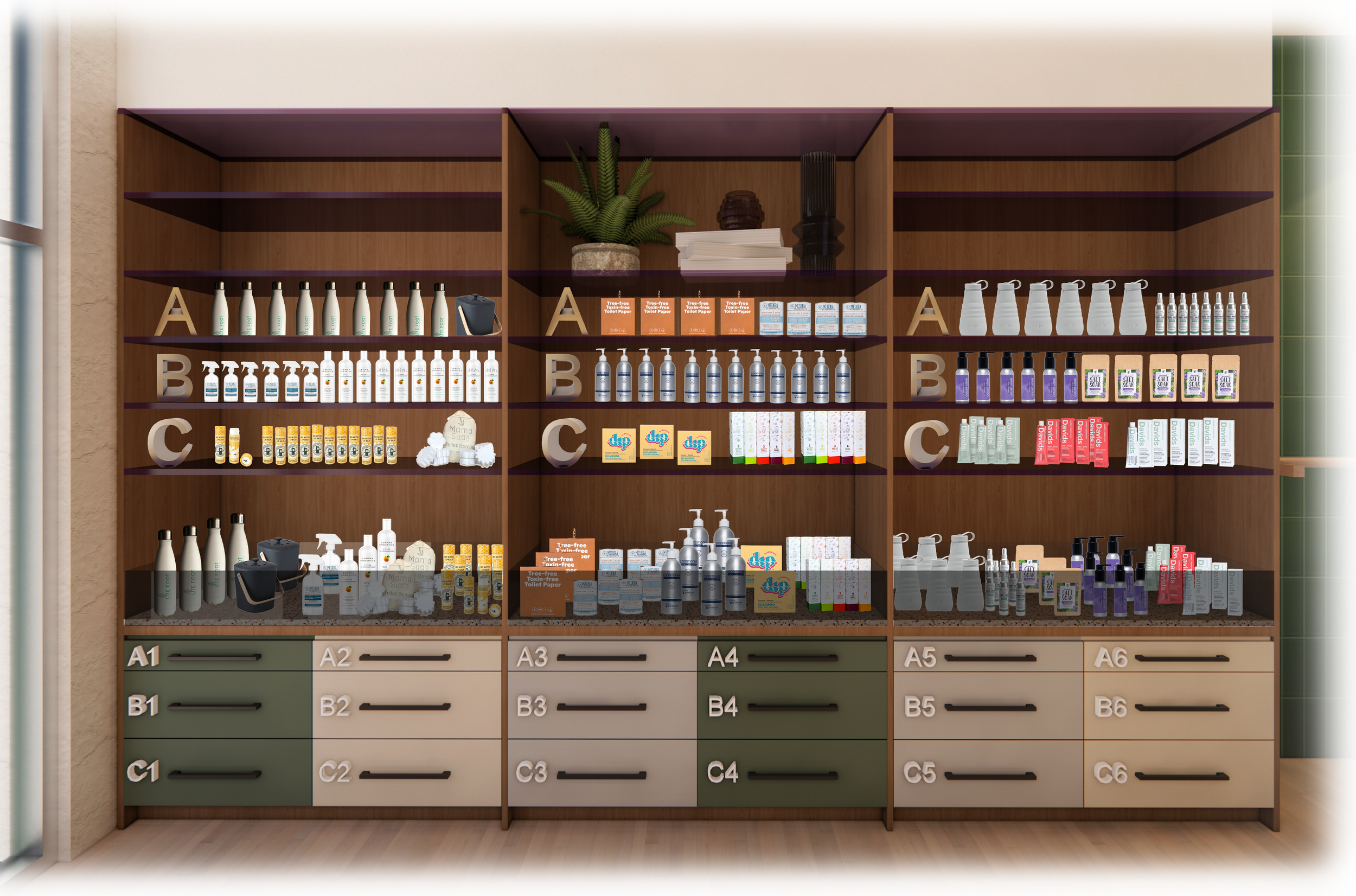
Retail Brick-and-Mortar Shop
Located in the Starland District of Savannah, Georgia, is a vibrant hub for small businesses, serving a lively community of artists, young professionals, SCAD students, and their families. The store features a refillery service and hosts recycling events and collaborations with local businesses and artists.
-

"Hillary The Refillery"
Hillary the Refillery,” Lite Foot Company’s mobile truck, is a sustainable initiative offering refillable household products. Customers are encouraged to bring their own containers to refill items such as detergents, soaps, and cleaning products. By reducing single-use plastic waste, the truck promotes environmental awareness and supports a zero-waste lifestyle.
-

Subscription Service
The Lite Foot Box is a quarterly subscription designed to make the switch to sustainable living easy and stress-free. Each curated box, offered at a reduced price, provides an affordable way to try new products while embracing sustainability.
-
E-commerce
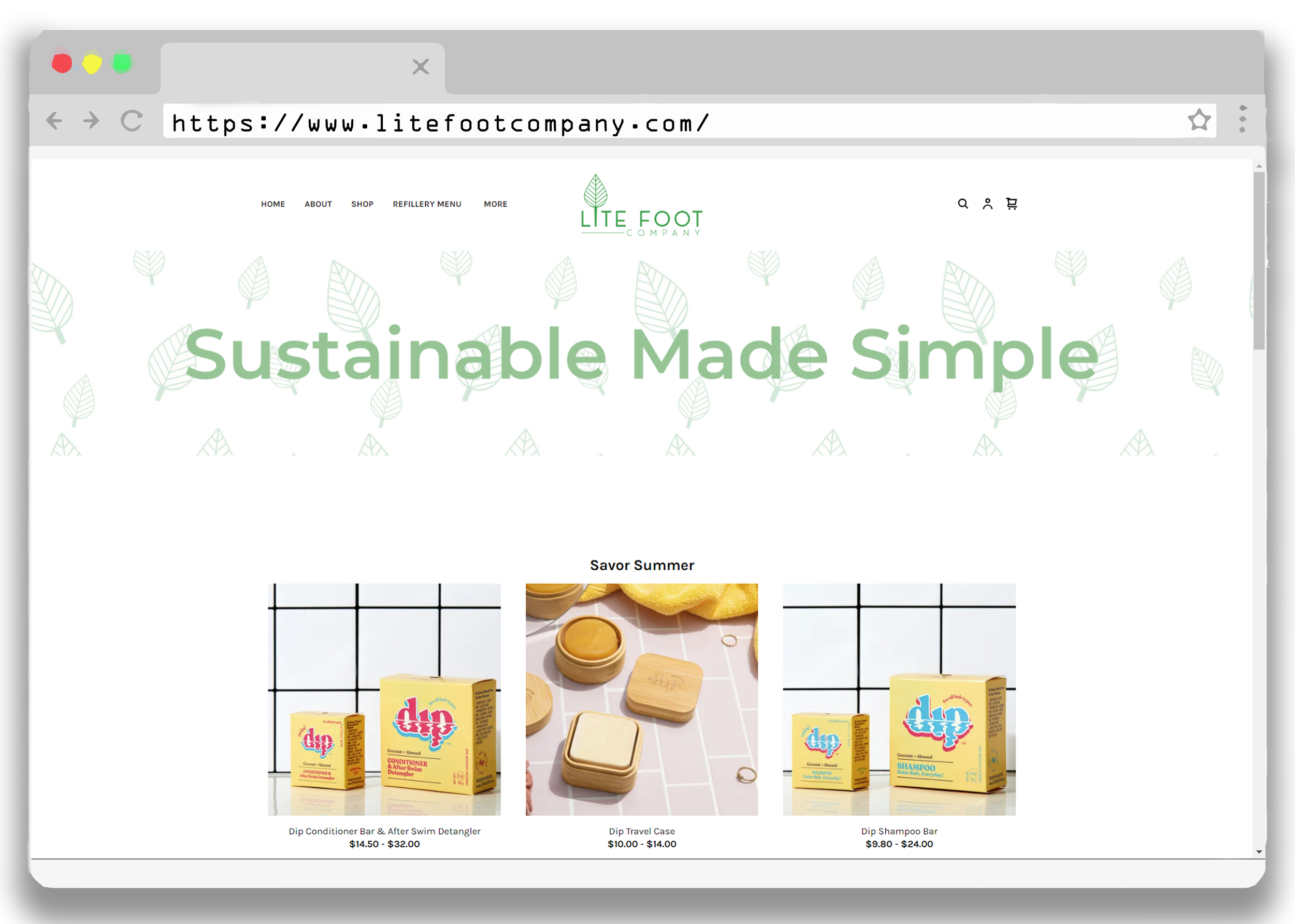
The site provides a convenient platform for customers to shop sustainable, with options for one-time purchases or subscription services. All products are designed to reduce waste and promote a zero-waste lifestyle, making sustainable choices easy and accessible.
CONCEPT


Spectrum of Transparency
Spectrum of Transparency embodies the company’s commitment to openness, clarity, and accessibility through both form and function.
Within the retail environment, transparency drives trust, strengthens operations, and reinforces sustainable behaviors — creating a seamless, informed shopping experience that empowers customers and promotes future-focused initiatives.
Design Development: Universal Principles
Universal principles shaped the framework, positioning accessibility as a primary spatial driver rather than a secondary accommodation. The layout maximizes efficiency to create an intimate shopping experience that supports a spectrum of behaviors— from autonomous browsing to assisted service.


Universal Design Considerations
-
Mobility
Often ramps and other paths of circulation are placed inconveniently or given little attention to aesthetically. Incorporating a ramp for all to experience as part of the main experiment highlights the attention we must pay not only for those in wheelchairs but elderly, injured, and mothers with strollers.
-
Visual Impairment
Someone with a visual impairment has eyesight that is considered uncorrectable against the average standards. Visibility of one’s sight can range from reliance of glasses or contacts, to trouble distinguishing objects shapes, colors, features both in a short or long distance, or little to no sight.
-
Hearing Impairment
There are many misconceptions about hearing impairments and the deaf community. Sign language provides an expressive language for hard of hearing and the deaf community to communication within the community both hearing and impaired. Although many are able to read lips or pick up on body language, providing visual communication allows freedom to learn and explore independently.
-
Communication
Speech impediments, autism and language are common and often overlooked. When trying to communicate, often, a person with a speech disability will feel shy and ashamed. Allowing minimal vocal interaction and relying on visual aids, shoppers can find confidence independently and navigate the store through way finding.
A continuous ramp anchors circulation, transforming the path of travel into a defining element, creating equitable spatial sequence for all users. Varied merchandising heights, scale, and sightliness enhance clarity, reinforce adaptability and support long-term retail evolution, aligning with Lite Foot Co.’s missions of accessible, low-impact living.